
"Ethiopia water Lim"
400 article(s) found

Ethiopian Coffee Farm single Bean Farm what are the suggestions for Ethiopian single Bean Baking
Professional baristas Please pay attention to Coffee Workshop (Wechat official account cafe_style) LIMU Lim produces amazing coffee even without the reputation of Hidamo and Yegashev. Most of the areas are small farmers, but there are also some large estates belonging to the government. Altitude: 1400-2200m harvest: November January varieties: Heirloom HARRAR this area is surrounded by ha

The famous boutique coffee area in the south of Egypt, Sidamo coffee producing area.
According to the above four different modes of production, Ethiopian coffee can be divided into nine major coffee producing areas, including five boutique coffee areas: Sidamo, Yegashefi, Harald, Lim and Lekampu. and four general commercial bean producing areas: Gemma, Irugbo, Tibby and Bekaa. The sun or water washing methods are used in each district, and different treatment methods also affect the flavor.
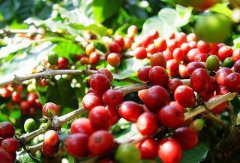
Three kinds of Falim Coffee Fine Coffee treated by Water washing, Solar washing and semi-washing
The term "fine coffee" was first put forward by Ms. Knudsen of the United States in Coffee and Tea magazine. At that time, Ms. Knudsen, as a coffee buyer at B.C. Ireland in San Francisco, was very dissatisfied with the neglect of the quality of raw coffee in the industry, and even some big roasters mixed a large amount of Robesda beans in the comprehensive beans, so she put forward the concept of boutique coffee.

A brief introduction to the Flavor description of Coffee grown in Xidamo Chiso area of Ethiopia with balanced Flavor
Wollega (Nekempte) coffee comes from the west of Ethiopia, with medium to large beans and is famous for its fruity flavor. The color is green and brown (greenish,brownish color), and the acidity and alcohol thickness are good. Can be made to match, can also be individual products. Limu Coffee coffee is famous for its aroma and wine flavor (spicy and Winnie flavor).

90 + Honey treated Dre Ella (Flower language) Coffee describes the hand parameters in detail.
Ethiopian coffee is called the coffee of the wilderness, and a cup of Ethiopian coffee can bring you a primitive experience you've never had before. Ethiopia has unique natural conditions suitable for growing all imaginable varieties of coffee. According to the above four different modes of production, Ethiopian coffee can be divided into nine major coffee producing areas, including five boutique coffee areas.

Sidamo 90 + Dre Ella (Flower language) Coffee beans treated with honey introduce flavor description
Ethiopian coffee is called the coffee of the wilderness, and a cup of Ethiopian coffee can bring you a primitive experience you've never had before. Ethiopia has unique natural conditions suitable for growing all imaginable varieties of coffee. According to the above four different modes of production, Ethiopian coffee can be divided into nine major coffee producing areas, including five boutique coffee areas.

Ethiopian Coffee Manor Fine Coffee Bean Origin, Development, History and Culture
It has been estimated that there are at least 2000 varieties of Ethiopian coffee and even more than 4500 kinds of coffee. Compared with the fat posture of Bourbon SL28, the main variety next to Kenya to the south, or Tibica in Central and South America and Asia, Ethiopian beans look a little malnourished. But beans can't be judged by appearance, and Ethiopian coffee has the highest citrus flavor in the world, whether it's instant coffee or
Ethiopian Sunshine Sidama Coffee Flavor and Taste introduction to Sidamo producing area
Gima, which accounts for about 50 per cent of Ethiopia's annual output, grows between 4400 and 6000 feet above sea level in the country's southwestern highlands (the border between Kaffa and Illubabor provinces) and is usually exported to G5/G4. However, in recent years, about 10% or 20% of Gima has been used to make up for the lack of taste of coffee, but its quality has gradually declined to its own level, but for the purchase of

Ethiopian fine coffee beans flavor taste Manor production characteristics Variety brand introduction
In February 1977, Lieutenant Colonel Mengistu Haile Mariam launched a military coup and served as Chairman of the Provisional Military Administrative Council and Head of State. In 1979, the Organization Committee of the Ethiopian Working People's Party, dominated by military personnel, was established to implement a one-party system. In 1984, the Ethiopian Workers 'Party was formed on the model of the Communist Party of the Soviet Union. Mengistu, September 1987

Introduction to the characteristics of Coffee Flavor description in the balanced Coffee production area of Xidamo, Ethiopia
All ethnic groups have equal autonomy and enjoy the right of national self-determination and secession. after the legislative body of any nation has adopted the request for separation by a majority of 2%, the federal government should organize the ethnic group to conduct a referendum within 3 years, and the majority can secede from the federation. Each state can use its own language to work for the state. Private property is protected, but the state has the right to expropriate for a fee. Urban and rural land and natural resources are owned by the state

Introduction to the grinding treatment method for the flavor and taste characteristics of coffee brands in Ethiopia
Ethiopian Coffee Flavor treatment Variety characteristics growing in Western Ethiopia 4900-5900 feet (Wollega province) plateau, north of Jima, mostly wild, annual output is about 500000bags/60kg, export to G5/G4, bean body is larger and longer than Longberry, a little brown in green, taste similar to less jasmine tea, more bitter, lack of rising Hara, slightly sour

What is the best brand of coffee in Ethiopia? the difference between Panamanian Rose Summer and Rose Summer Village Rose Summer
Professional coffee knowledge exchange more coffee bean information please follow the coffee workshop (Wechat official account cafe_style) front street-Panamanian rose summer and rose summer knowledge sharing Ethiopian coffee mainly has nine major producing areas, namely: Yirgacheffe (Yega Sheffield), Sidamo (Sidamo), Harar (Hara), Limu (Lim), Lekempti (Lekhampdi)

Ethiopian Sidamo Coffee beans 90+Ninety plus how much is Sidamo Coffee
Professional coffee knowledge exchange more coffee bean information please follow the coffee workshop (Wechat official account cafe_style) Ethiopia is the birthplace of coffee. Ethiopian coffee has the same deep cultural accumulation as Chinese tea. Ethiopian coffee is called the coffee of the wilderness, and a cup of Ethiopian coffee can bring you a primitive experience you've never had before. Ethiopia is blessed with

Ethiopian coffee beans are graded system Ethiopian coffee beans story and flavor
Following Kaibei (Wechat official account vdailycom) found that the Cafe Beautiful opened a small shop of its own Ethiopia Coffee beans divided into five levels. The first and second stages are washed beans. Washed beans Grade1 represents 3 defective beans per 300g raw beans, and Grade2 represents 4 defective beans per 300g. Gradc1 grade water washed beans are very rare and are generally difficult to buy.

Introduction of Ethiopian coffee, characteristics of Ethiopian coffee beans
Following caf é (Wechat official account vdailycom) found that Beautiful Caf é opened a small shop of its own Ethiopia is the hometown of Arabica coffee, it is in the forests of the Kaffa region that you can see wild Arabica coffee. In Ethiopian, coffee is called Bun or Buna, and coffee beans (coffeebean) may be turned from Kaffa Bun

Ethiopian Kocher Estate Coffee Flavor Taste Estate Features
Light Rail: On the morning of September 20, 2015, Addis Ababa Light Rail, the capital of Ethiopia, which was constructed by China Railway Corporation and provided operation and management services by Shenzhen Metro Group, was officially put into operation. Addis Ababa Light Rail Project consists of east-west line and north-south line. The planned main line of the project is about 75km long. The first phase of light rail project will be implemented this time, with the total length of main line of 31.048km(including 2.662km of common rail section).

History of Origin and Development of Fine Coffee beans in Sidamasha Chiso producing area of Ethiopia with rich alcohol thickness
Quality and supply assurance on coffee farms, high quality assurance is reflected in the timely and strict selection of ripe and reddest coffee fruits. Picked coffee needs to be protected from direct sunlight, and the picked fruit is concentrated in a bamboo basket to avoid contact with the soil. The picked fruit is washed in clean water and preserved under water to improve the quality of coffee beans.

What are the flavor characteristics of Ethiopian coffee beans A brief introduction to Arabica coffee beans
Professional coffee knowledge exchange more coffee bean information please follow the coffee workshop (Wechat official account cafe_style) front street-Ethiopian coffee beans, Arabica coffee beans introduction Ethiopia is the birthplace of the famous Arabica coffee beans, people have maintained the tradition of collecting wild coffee beans. After more than a thousand years of evolution, the coffee garden with an elevation of more than 1500 meters

General knowledge of boutique coffee beans in Ethiopian coffee Sidamo producing area
According to the above four different modes of production, Ethiopian coffee can be divided into nine major coffee producing areas, including five boutique coffee areas: Sidamo, Yegashefi, Harald, Lim and Lekampu. and four general commercial bean producing areas: Gemma, Irugbo, Tibby and Bekaa. The sun or water washing methods are used in each district, and different treatment methods also affect the flavor.

Cultivation of boutique coffee beans in lemon and citrus-flavored Shakiso area geographical location, climate, altitude is simple
The coffee producing areas of Ethiopia are Sidamo, Harald and Sidamo, Harrar and Yirgacheffe. Sidamo and Harrar are provinces and divisions. Sidamo is located in the south of Ethiopia bordering Kenya, and Harrar borders Somalia in the east of Ethiopia. Although Yirgacheffe is a community in the Sidamo region, due to soil composition and water content and other reasons.